Skin Moisture Care: The Scientific Foundation of Healthy, Youthful Skin
Skin moisture care is more than a beauty standard—it is a biological signal of health. Discover the scientific foundation of hydration and how to maintain youthful, glowing skin.

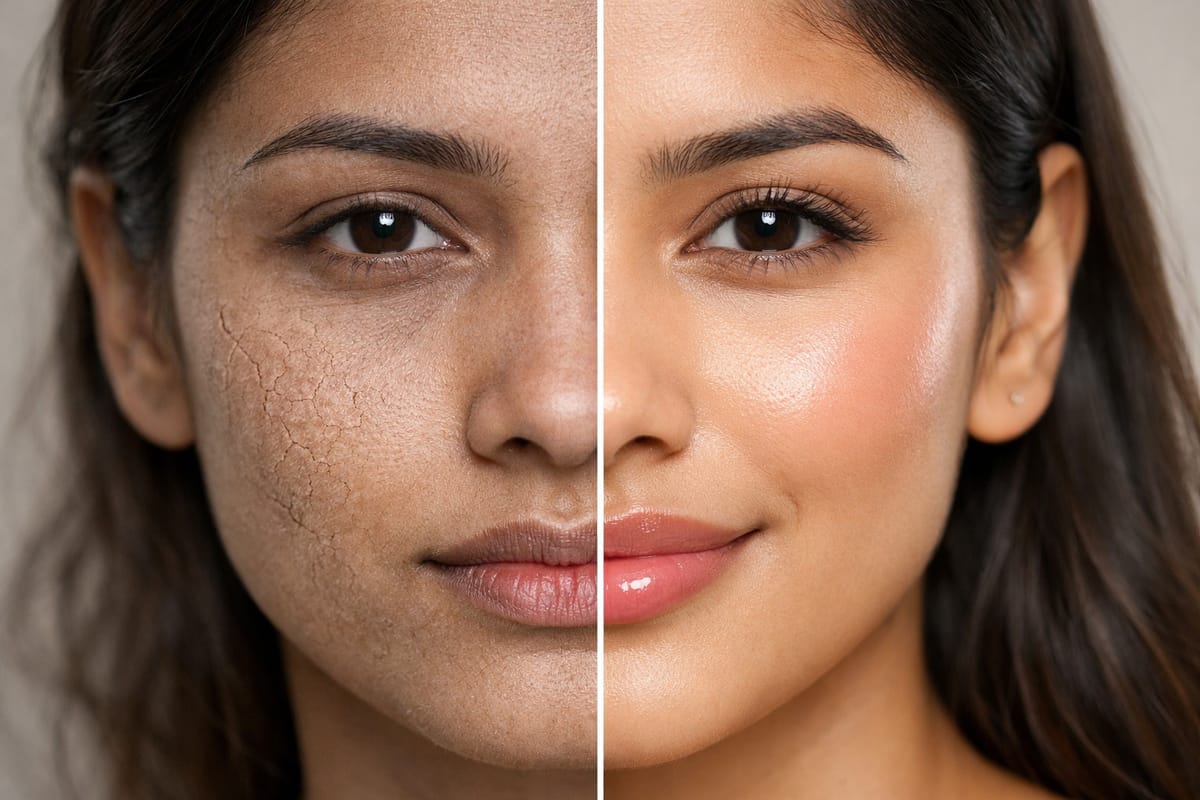
Healthy, naturally moisturized skin is not just a beauty standard—it is a biological signal of internal health. In an era of pollution and high stress, maintaining skin moisture has become a medical necessity, not just a cosmetic choice.
Why Your Skin Barrier is Your First Line of Defense
The skin is the largest organ of the human body. Its outermost layer, the stratum corneum, acts like a protective shield.
- The Science: When this barrier is hydrated, it blocks harmful UV rays, pollutants, and bacteria.
- The Risk: Dehydrated skin leads to Transepidermal Water Loss (TEWL), which causes micro-cracks, inflammation, and premature aging.
Internal Hydration: Beauty from Within
Topical creams cannot replace internal hydration.
- Cellular Hydration: Drinking water is vital, but eating "structured water" found in fruits like cucumbers and oranges helps cells retain moisture longer.
- Skin Superfoods: Omega-3 fatty acids (flaxseeds, walnuts) and Vitamin E are the "internal moisturizers" that strengthen your skin cells from the inside out.
The Night-Time Ritual: Essential Oils & Deep Sleep
My personal experience, especially during the COVID-19 recovery phase, taught me that skin repair happens mostly during sleep.
The Essential Oil Practice: Before you slip into bed, try this simple ritual:
- Take a few drops of a natural carrier oil (Coconut or Olive oil).
- Add 2-3 drops of an Essential Oil (like Lavender or Sandalwood).
- Gently massage it onto your hands, legs, and face.
The Benefit: The natural aroma relaxes your nervous system, leading to calm and deep sleep, while the massage improves blood circulation for a morning glow.
Common Myths vs. Facts
- Myth: Oily skin doesn’t need moisture.
- Fact: Oily skin is often dehydrated. Lack of water triggers more oil production.
- Myth: Hot water is good for cleaning.
- Fact: Hot water strips away natural sebum. Always use lukewarm water.
Conclusion: Skin Care is Health Care
Naturally moisturized skin reflects balanced hormones, a healthy gut, and proper detoxification. It makes you look biologically younger and keeps skin disorders at bay. Remember, healthy skin is a result of a well-nourished body and a peaceful mind.
Body Hydration and Its Direct Impact on Skin Health
The human body is approximately 60% water, and every cell depends on hydration to function optimally. When internal hydration levels drop:
- Skin appears dull and rough
- Elasticity decreases
- Fine lines and wrinkles become more visible
Proper hydration supports:
- Efficient nutrient delivery to skin cells
- Improved blood circulation
- Faster cellular repair and regeneration
It’s important to understand that topical skincare alone cannot compensate for internal dehydration. Drinking adequate water is fundamental to maintaining naturally hydrated skin.
How Healthy Food Improves Natural Skin Moisture
Skin health begins internally—what you eat directly affects what you see.
Key nutrients for skin hydration:
- Omega-3 fatty acids (avocado, nuts, seeds): strengthen the skin barrier
- Vitamin C (citrus fruits): supports collagen production
- Vitamin A (carrots, leafy greens): aids skin renewal
- Vitamin E (nuts, seeds): natural antioxidant and moisturizer
In contrast, excess sugar, processed foods, and unhealthy fats accelerate collagen breakdown and increase inflammation, leading to premature skin aging.
A healthy gut leads to healthy, hydrated skin.
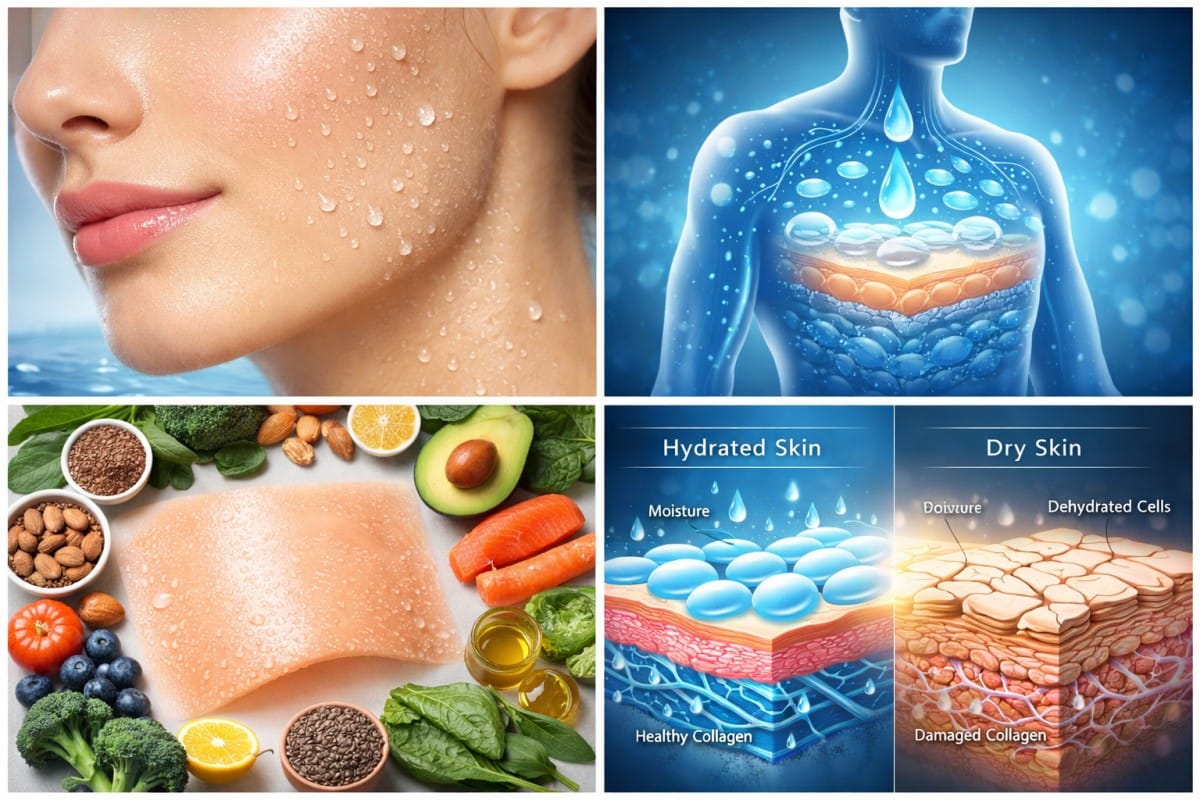
Naturally Moisturized Skin Indicates a Healthy Body
When skin remains soft, supple, and elastic without excessive use of products, it reflects:
- Balanced hormones
- Efficient liver and kidney detoxification
- Healthy blood circulation
From a biological standpoint, the body prioritizes skin hydration when internal systems are functioning properly. This is why naturally moisturized skin is often seen as a visible marker of internal well-being.
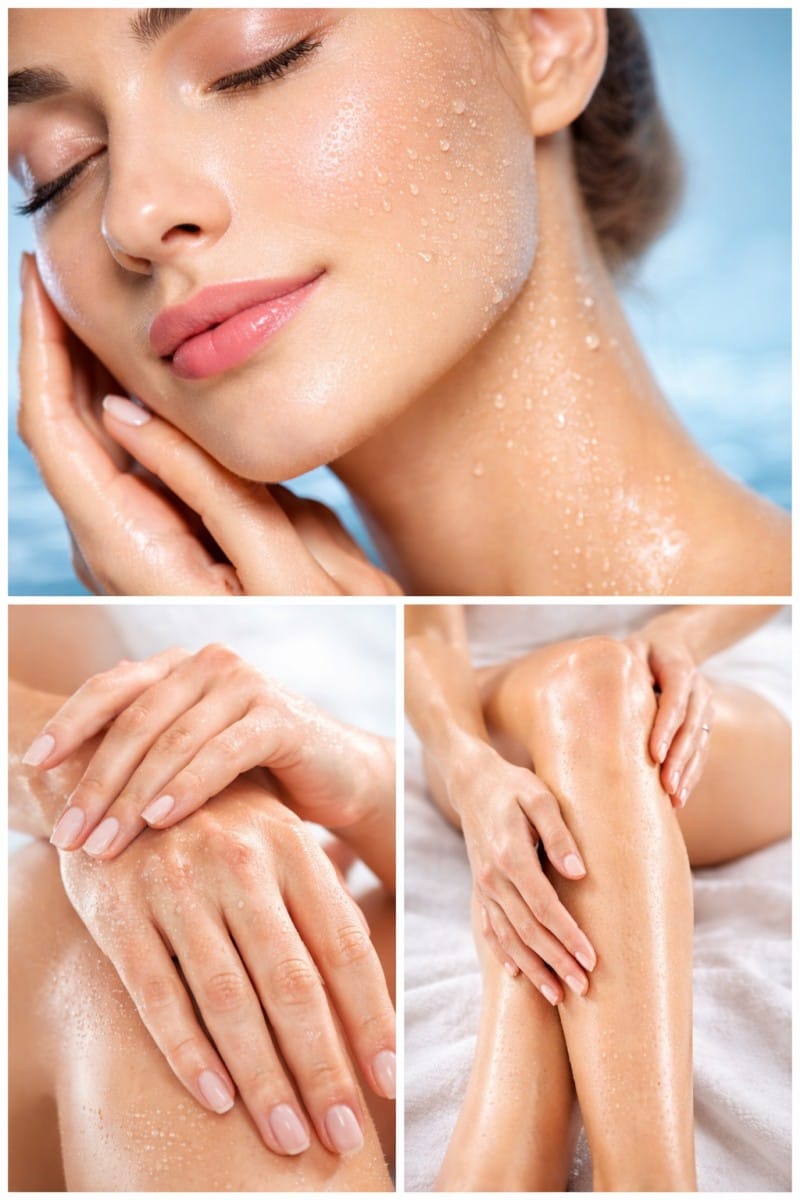
Naturally Moisturized Skin and Lower Risk of Skin Disorders
Many chronic skin issues—such as eczema, excessive dryness, itching, and inflammation—are linked to a compromised skin barrier and internal imbalance.
Healthy, well-hydrated skin suggests:
- Low inflammatory response
- Strong immune defense
- Proper skin cell turnover
A stable moisture balance reduces susceptibility to common skin conditions and supports long-term skin resilience.
Why Naturally Moisturized Skin Makes You Look Younger (Scientific Explanation)
Looking younger than your chronological age is not a myth—it is biological evidence of skin health.
Scientific reasons:
- Hydrated skin maintains collagen and elastin integrity
- Moisture supports slower, healthier cell turnover
- Fine lines appear less prominent
- Skin reflects light more evenly, creating a natural glow
As a result, individuals with naturally moisturized skin often appear biologically younger, regardless of their actual age.
Conclusion: Skin Moisture Care Is Health Care
Skin moisture care is not a cosmetic trend—it is a daily health practice. It reflects hydration, nutrition, immunity, and internal balance.
Healthy skin is not created by filters or products alone.
It is the visible outcome of a healthy lifestyle and a well-nourished body.
Medical Disclaimer
The information provided in this article is intended for educational and informational purposes only and should not be considered medical advice. It is not a substitute for professional diagnosis, treatment, or medical guidance.
Skin health, hydration needs, and nutritional requirements may vary from person to person based on age, medical history, lifestyle, and existing health conditions. Always consult a qualified healthcare professional, dermatologist, or medical practitioner before making any changes to your skincare routine, diet, or hydration practices—especially if you have a known medical condition or skin disorder.
The author and publisher are not responsible for any adverse effects or consequences resulting from the use or application of the information presented in this article.